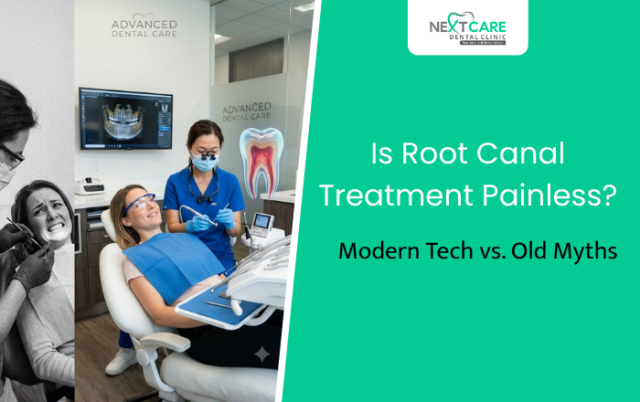
Few dental procedures carry as much fear as the root canal. Mention it to someone, and you’ll likely hear a wince followed by “isn’t that supposed to be really painful?” This reputation, however, is decades out of date. Thanks to advances in dental technology, anesthesia, and technique, root canal treatment today is far more comfortable than the horror stories suggest.
Let’s separate fact from fiction and take a real look at what a modern root canal actually feels like.
Where the “Painful Root Canal” Myth Came From
The root canal’s bad reputation dates back to a time before modern anesthesia, digital imaging, and precision instruments were standard in dentistry. Decades ago, dentists had limited tools, less accurate numbing techniques, and less understanding of tooth anatomy. Procedures took longer, numbing wasn’t always fully effective, and post-treatment discomfort was more common.
That reputation stuck — and it’s been passed down through generations, even though the technology and techniques used today are almost unrecognizable compared to the past. In reality, most patients who avoid root canals out of fear are reacting to outdated information, not their actual dentist’s capabilities.
Why the Pain Usually Comes Before Treatment, Not During
Here’s an important distinction: the pain most people associate with root canals is actually caused by the underlying tooth infection or inflammation — not the procedure itself. An infected or abscessed tooth can cause intense, throbbing pain because of pressure and inflammation inside the tooth’s pulp chamber.
The root canal procedure is designed to relieve that pain by removing the infected tissue, cleaning the canal, and sealing it. In other words, the treatment is the solution to the pain, not the cause of it.
How Modern Technology Has Transformed Root Canal Treatment
Several advancements have made root canal treatment dramatically more comfortable and efficient than it was in the past:
1. Advanced Local Anesthesia
Modern anesthetic techniques ensure the tooth and surrounding area are completely numb before treatment begins, so patients typically feel pressure at most — not pain.
2. Digital X-Rays and 3D Imaging
Digital imaging allows dentists to see the exact shape and depth of the root canals in advance, leading to more precise, efficient treatment with fewer surprises.
3. Rotary Endodontic Instruments
Instead of manual hand files, most dentists now use rotary tools that clean and shape canals faster and more smoothly, significantly reducing treatment time.
4. Apex Locators
These electronic devices help dentists measure canal length with precision, minimizing guesswork and improving accuracy.
5. Improved Sealing Materials
Better filling materials create a more reliable seal, reducing the risk of reinfection and follow-up discomfort.
Together, these innovations mean a root canal today often feels similar to getting a filling — a routine, well-tolerated procedure rather than a dreaded ordeal.
What Does a Modern Root Canal Actually Feel Like?
Most patients report feeling only mild pressure or vibration during the procedure, thanks to effective numbing. Some mild soreness in the days following treatment is normal — similar to the sensitivity you might feel after a filling — and is usually manageable with over-the-counter pain relief.
Importantly, this discomfort is temporary and far less intense than the pain caused by an untreated infected tooth.
Common Myths About Root Canal Treatment
1. Myth: Root canals cause illness elsewhere in the body. This claim has been thoroughly debunked by modern dental and medical research. There’s no credible scientific evidence linking root canal treatment to diseases in other parts of the body.
2. Myth: It’s better to just pull the tooth. Extraction might seem simpler, but saving your natural tooth through root canal treatment helps maintain proper chewing function, jaw structure, and alignment — extraction often leads to additional treatments like implants or bridges down the line.
3. Myth: Root canals require multiple painful visits. While some cases do require more than one appointment, many straightforward root canals can be completed in a single visit with modern techniques.
4. Myth: Recovery takes weeks. Most patients return to normal activities within a day or two, with only mild, short-term sensitivity.
Who Might Need a Root Canal?
You may need a root canal if you’re experiencing:
- Persistent tooth pain, especially when chewing
- Sensitivity to hot or cold that lingers
- Swelling or tenderness in the gums near a tooth
- A darkened or discolored tooth
- A recurring pimple-like bump on the gums
If you notice any of these symptoms, it’s best to get evaluated promptly the earlier an infection is caught, the simpler and more comfortable the treatment tends to be.
Conclusion
Root canal treatment today is not the painful procedure many people still imagine. With modern anesthesia, digital imaging, and precision instruments, most patients experience a comfortable, efficient visit and lasting relief from the pain that brought them in. The old myths simply don’t hold up against how far dental technology has come.
Frequently Asked Questions
Q1: Does a root canal hurt more than a filling?
A: Not typically. With effective local anesthesia, most patients report similar comfort levels between the two procedures.
Q2: How long does a root canal take?
A: Many root canals can be completed in a single visit lasting around 60–90 minutes, though complex cases may require a second appointment.
Q3: Is there pain after the procedure?
A: Mild soreness or sensitivity for a few days is normal and usually manageable with over-the-counter pain relievers.
Q4: Can I eat normally after a root canal?
A: It’s best to avoid chewing on the treated side until any temporary filling or crown is placed, but you can generally return to normal eating within a day or two.
Q5: Is a root canal better than removing the tooth?
A: In most cases, saving your natural tooth through root canal treatment is preferable, as it preserves your natural bite and avoids the need for replacement options like implants or bridges.
Have questions? We’re just a message away! Contact us on WhatsApp — Click Here to Chat with Us
Schedule an Appointment at Nextcare Dental Clinic
Looking for expert Root Canal Treatment in Dhanori or Lohegaon? Visit Nextcare Dental Clinic and consult Dr. Mahesh Mali (B.D.S.) for personalized dental care, advanced treatment, and long-lasting oral health solutions on Porwal Road.
Name – Dr. Mahesh S. Mali | Nextcare Dental Clinic | Dental Implants | Root Canal
Address: Office No. 306 3rd Floor, Park Plaza, Porwal Rd, Lohegaon, Pune, Maharashtra 411047
Phone: 92266 31613