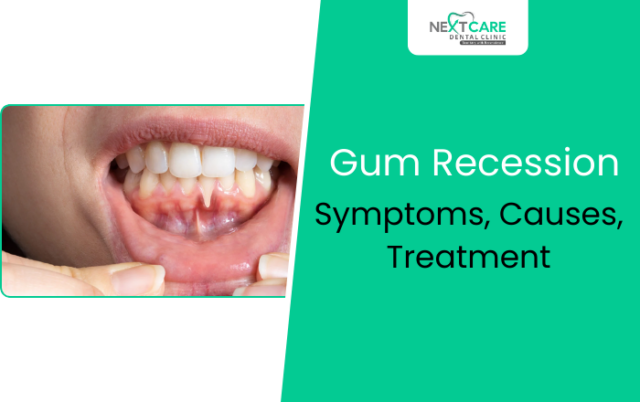
Have you noticed your teeth looking a bit longer lately? Maybe you feel a sharp zing when drinking cold water or eating ice cream? These could be signs of gum recession, and you’re definitely not alone. Studies show that nearly 50% of adults over 30 experience some level of receding gums, yet many don’t realize it until the problem gets worse.
Gum recession happens when the gum tissue surrounding your teeth wears away or pulls back, exposing more of your tooth—or even the root. This isn’t just about looks. When your gums recede, they leave your teeth vulnerable to sensitivity, decay, and infection. But here’s the good news: catching it early gives you the best chance to protect your smile.
Let’s explore what gum recession really is, how to spot it, what causes it, and most importantly what you can do about it.
What Exactly Is Gum Recession?
Think of your gums as a protective blanket for your teeth. Healthy gums fit snugly around each tooth, covering the sensitive root area underneath. When gum recession occurs, this protective tissue gradually pulls away, exposing parts of your tooth that were never meant to see daylight.
This process usually happens slowly over time, which is why many people don’t notice until there’s significant damage. The exposed root surface has no enamel protection, making it extremely sensitive and prone to cavities.
7 Warning Signs You Shouldn’t Ignore
1. Your Teeth Look Longer
If you’ve noticed your teeth appearing longer than before, your gums are likely receding. This visual change is often gradual but is one of the clearest signs.
2. Tooth Sensitivity Won’t Go Away
Do hot coffee or cold drinks cause sharp pain? Exposed roots lack the protective enamel layer, making them incredibly sensitive to temperature changes.
3. You Can See Yellowish Roots
Tooth roots are naturally more yellow than the white enamel. If you can see this discoloration near your gum line, recession has occurred.
4. Bleeding or Swollen Gums
Gums that bleed when you brush or appear red and puffy signal inflammation—often an early sign of gum disease leading to recession.
5. Constant Bad Breath
Persistent bad breath despite brushing might indicate bacteria buildup in the pockets created by receding gums.
6. Loose or Shifting Teeth
As gums recede, they lose their grip on teeth. If your teeth feel loose or are moving position, this is a serious warning sign.
7. Notches at the Gum Line
Small V-shaped grooves where your gum meets your tooth indicate both recession and possible enamel wear.
What Causes Gums to Recede?
▸Brushing Too Hard
Ironically, one of the most common causes is brushing with too much force. Using a hard-bristled brush or scrubbing aggressively wears away delicate gum tissue over time.
▸Gum Disease
This is the number one culprit. Bacterial infections from poor oral hygiene destroy gum tissue and the bone supporting your teeth. In fact, 80% of gum recession cases link back to periodontal disease.
▸Genetics
Sometimes it’s just in your DNA. Some people inherit thinner, more fragile gum tissue that’s more prone to recession, regardless of their oral care habits.
▸Smoking and Tobacco
Smokers face twice the risk of gum recession compared to non-smokers. Tobacco reduces blood flow to gums and weakens your mouth’s ability to fight infection.
▸Teeth Grinding
Clenching or grinding your teeth—especially during sleep—puts excessive pressure on gums and can push them back over time.
▸Misaligned Teeth
When teeth don’t line up properly, some areas receive uneven pressure that can damage gum tissue.
▸Poor Dental Hygiene
Skipping brushing and flossing allows plaque to build up and harden into tartar. This creates the perfect environment for bacteria that attack your gums.
Read More Blogs – How To Prevent Gum Diseases?
Can Receding Gums Grow Back?
Here’s the truth: once your gums have receded, they won’t grow back on their own. Gum tissue doesn’t regenerate naturally like skin does after a cut. However, this doesn’t mean you’re out of options. With proper treatment, you can stop further recession and even restore coverage to exposed roots.
Treatment Options That Work
For Mild Cases:
▸Deep Cleaning (Scaling and Root Planing)
Your dentist removes plaque and tartar from below the gum line and smooths the root surfaces. This helps your gums reattach and prevents bacteria from accumulating.
▸Improved Home Care
Switching to a soft-bristled brush, using gentle circular motions, and flossing daily can stop progression in early stages.
▸Antibacterial Mouthwash
Special rinses help control bacteria and reduce inflammation.
For Moderate to Severe Cases:
▸Gum Graft Surgery
This common procedure takes tissue from the roof of your mouth (or uses donor tissue) and attaches it to areas where gums have receded. Success rates are around 85-90%, and it effectively covers exposed roots.
▸Pinhole Surgical Technique
A newer method that uses small holes in the gum tissue to gently reposition it over receded areas. No stitches needed, and recovery is faster.
5 Ways to Prevent Gum Recession
- Brush Gently – Use a soft brush and light pressure. Your toothbrush bristles shouldn’t be flattened after a month of use.
- Floss Every Day – This removes bacteria between teeth where your brush can’t reach.
- See Your Dentist Regularly – Professional cleanings every six months prevent plaque buildup.
- Quit Tobacco – Your gums will thank you, and your overall health improves dramatically.
- Manage Teeth Grinding – If you grind your teeth, ask about a night guard to protect both teeth and gums.
When Should You See a Dentist?
Don’t wait if you notice any of these signs:
- Teeth appearing longer than before
- Sensitivity lasting more than a few days
- Visible tooth roots
- Bleeding gums
- Loose teeth
- Persistent bad breath
Early treatment means simpler solutions and better outcomes. What requires only a cleaning today might need surgery tomorrow.
Frequently Asked Questions
Q1. How long does recovery take after gum surgery?
Most people heal within 1-2 weeks, with complete healing taking 4-6 weeks. Discomfort is manageable, and most return to normal activities within days.
Q2. Is gum recession painful?
The recession itself may not hurt, but exposed roots cause sensitivity. Advanced cases with infection can be painful.
Q3. Can I fix this with better brushing alone?
Better oral hygiene stops progression but won’t reverse existing recession. You’ll need professional treatment to restore lost tissue.
Q4. Does recession always mean tooth loss?
No. With early treatment, you can keep your teeth. Untreated severe recession does increase tooth loss risk significantly.
Stop Gum Recession Now: Schedule Your Dental Checkup
Gum recession is common, but timely care can prevent serious dental issues. Understanding the symptoms, causes, and treatment options helps you take control of your oral health.
If you notice any signs of gum recession, don’t wait. Visit Nextcare Dental Clinic on Porwal Road for gum disease treatment, led by Dr. Mahesh Mali. Protect your smile and teeth today!